Starvard University · Time Management 101
Spend your hours like they matter, because they do. Time is the one budget you cannot refill. This course is about priorities, focus, and the power of no.

The whole course in brief
The twelve lessons
Lesson 1
You do not have a time problem; you have a choice problem. Everyone gets the same 24 hours. The difference between the overwhelmed and the effective is not hours, it is what they say yes to. Every yes is a thousand small nos to everything else you could have done.
This is actually good news. It means time management is not about finding more hours; it is about being honest about your choices. Look at where your week actually went, not where you meant it to go. The gap between those two is your entire opportunity.
Lesson 2
Each morning, pick the three things that would make the day a win. Not ten, three. Write them down. Everything else is bonus. This one habit does more for your effectiveness than any app, because it forces the hardest question: what actually matters today?
Most people start the day reacting: inbox, messages, whoever shouts loudest. The three priorities flip that. You still handle the urgent stuff, but the important stuff gets done first, while your energy is fresh. Three done beats twenty started.
Lesson 3
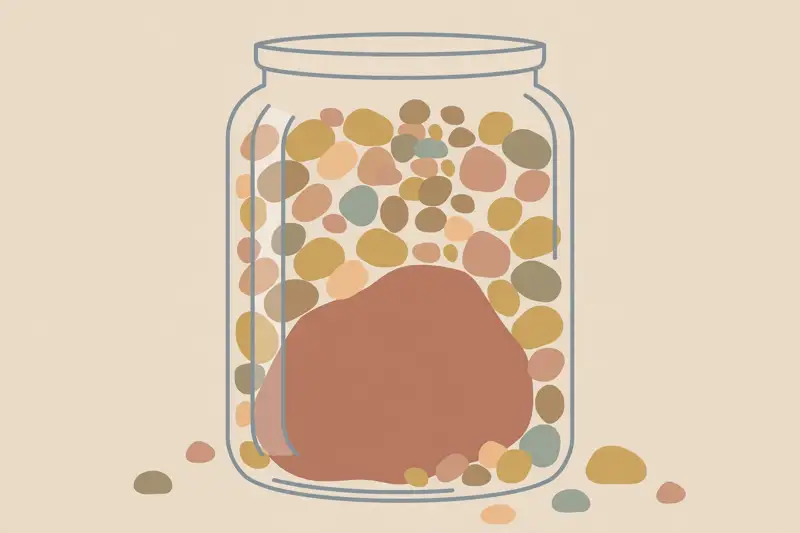
The classic metaphor: a jar, big rocks, pebbles, sand. Put the big rocks in first and everything fits. Put the sand in first and the rocks never fit. Your big rocks are the important projects; the sand is email, errands, and other people's urgencies.
In practice, this means scheduling important work before the week fills up. Block the calendar for the big project on Monday morning, not Friday afternoon. What gets scheduled gets done; what does not gets squeezed out by the sand.
Lesson 4
Multitasking is a myth. What we call multitasking is rapid switching, and every switch costs focus and time. Studies show it can take twenty minutes to fully refocus after an interruption. Checking your phone "real quick" is never quick.
Single-tasking is the fix, and it is embarrassingly simple: one task, full attention, until it is done or the timer rings. Close the tabs. Silence the phone. You will be shocked how fast work goes when you actually do it.
Lesson 5
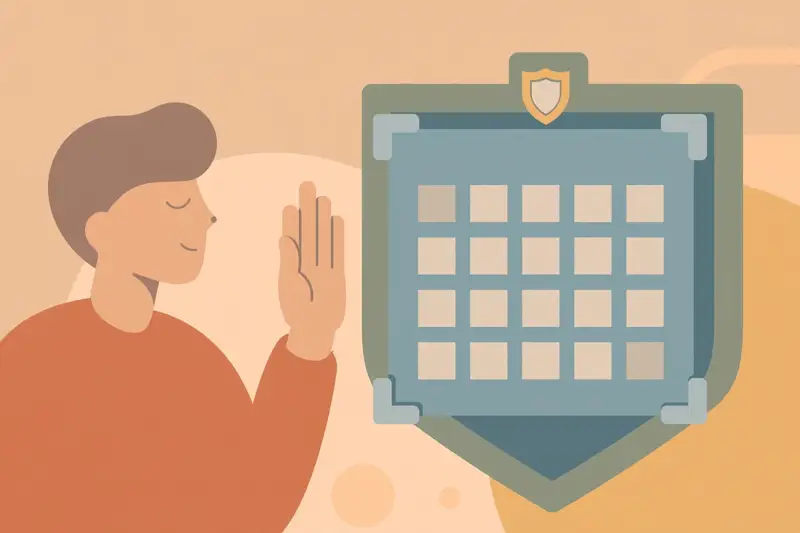
Your most valuable work, the thinking, creating, and solving, needs long uninterrupted blocks. Two hours of deep work beats six hours of fragmented attention. But deep work does not happen by accident; the world will interrupt you all day unless you defend the time.
Defend it concretely: block 90-minute chunks on your calendar, turn off notifications, close the door or put on headphones, and tell people you are unavailable. Treat the block like a meeting with your most important client, because it is. You are the client.

Lesson 6
Ten minutes tonight saves an hour tomorrow. Before you finish work, write tomorrow's three priorities and glance at the calendar. You go to sleep with a plan and wake up with direction, instead of spending your best morning energy deciding what to do.
This also kills the Sunday-night dread and the Monday-morning scramble. A planned day feels calm even when it is busy, because you chose it. An unplanned day feels chaotic even when it is light, because it chose you.
Lesson 7
Every effective person says no constantly. Not rudely, just clearly: "I cannot take that on right now." "That does not fit my priorities this month." "Let me think about it" (and then no). Each no protects the yeses that actually matter.
The fear is that saying no makes you look unhelpful. The opposite is true: people who say yes to everything become unreliable, because they cannot deliver on any of it. A thoughtful no earns more respect than a flaky yes. Guard your calendar like it is your money, because it is worth more.
Lesson 8
Small tasks are time vampires. Checking email twenty times a day, running errands one at a time, answering messages the instant they arrive: each one is tiny, and together they eat the day. The fix is batching: do them in groups, at set times.
Email twice a day, not all day. Errands in one trip. Phone calls in one block. Between batches, the small stuff waits. It will survive. And you get your attention back for the work that actually moves your life forward.
Lesson 9
Your calendar is your time made visible, so treat it as a budget. Default meetings to 25 minutes instead of 30, 50 instead of 60. Decline meetings with no agenda. Ask "could this be an email?" without guilt. Every meeting you skip is an hour of your life back.
Also, leave white space. A calendar packed wall to wall has no room for thinking, for the unexpected, or for being human. Buffer time between meetings. Protect one meeting-free block a week if you can. The calendar serves you, not the other way around.
Lesson 10
Burnout is not a badge of honor; it is a system failure. Your brain needs breaks to do its best work: short breaks during the day, real evenings off, and actual vacations. The research is clear: rested people produce more and better work than exhausted ones.
Sleep is the foundation. Everything in this course fails on four hours of sleep. Protect seven to eight hours like the non-negotiable it is. Rest is not the reward for finishing; it is the fuel that lets you finish.
Lesson 11
Fifteen minutes every Friday: What got done? What did I learn? What are the three big things for next week? Clear the decks, close the loops, and start Monday with a clean slate instead of a pile of half-remembered obligations.
The weekly review is what keeps the whole system honest. Without it, priorities drift, small tasks pile up, and you wake up a month later wondering where the time went. With it, you steer. Fifteen minutes a week to stay in charge of your own life.
Lesson 12
You do not need the perfect app. You need a system you will actually use: one place for tasks, one calendar, one daily planning habit, one weekly review. Simple beats sophisticated. The best system is the one that survives a busy week.
Start small: tonight, plan tomorrow's three priorities. This week, block one deep-work session. Friday, do a fifteen-minute review. Add one habit at a time. In a month, you will not recognize your own effectiveness. Time is the one budget you cannot refill; spend it like it matters.
Graduation
Time is the one thing you cannot earn back, save up, or borrow. But you can spend it on purpose: three priorities a day, big rocks first, one thing at a time, deep work defended, plans made the night before, nos said kindly, small stuff batched, calendars tamed, rest protected, weeks reviewed. That is time management. Not more hours, better choices.
Keep learning
This course is part of Starvard University, striving for greatness.